The Role of Furniture in Creating an Inviting Atmosphere for Your Customers
Furniture plays a pivotal role in shaping the atmosphere of a retail store, influencing how customers feel, interact, and ultimately, how they
Furniture plays a pivotal role in shaping the atmosphere of a retail store, influencing how customers feel, interact, and ultimately, how they shop. Thoughtfully chosen and well-designed furniture can transform a retail space into an inviting, comfortable, and memorable environment that encourages customers to stay longer and engage more deeply with products.
Enhancing the Shopping Experience
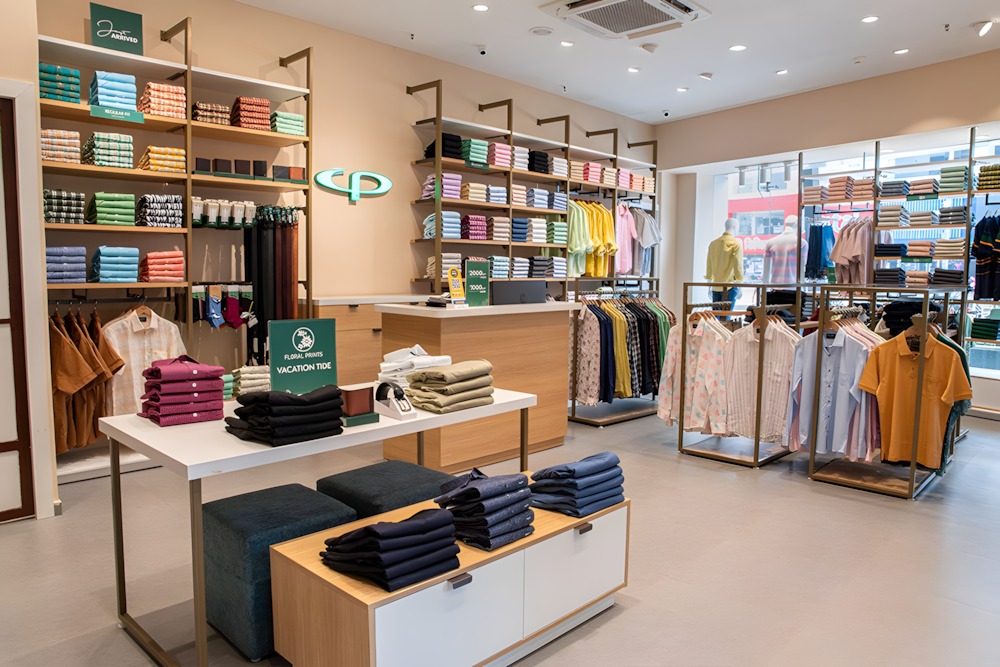
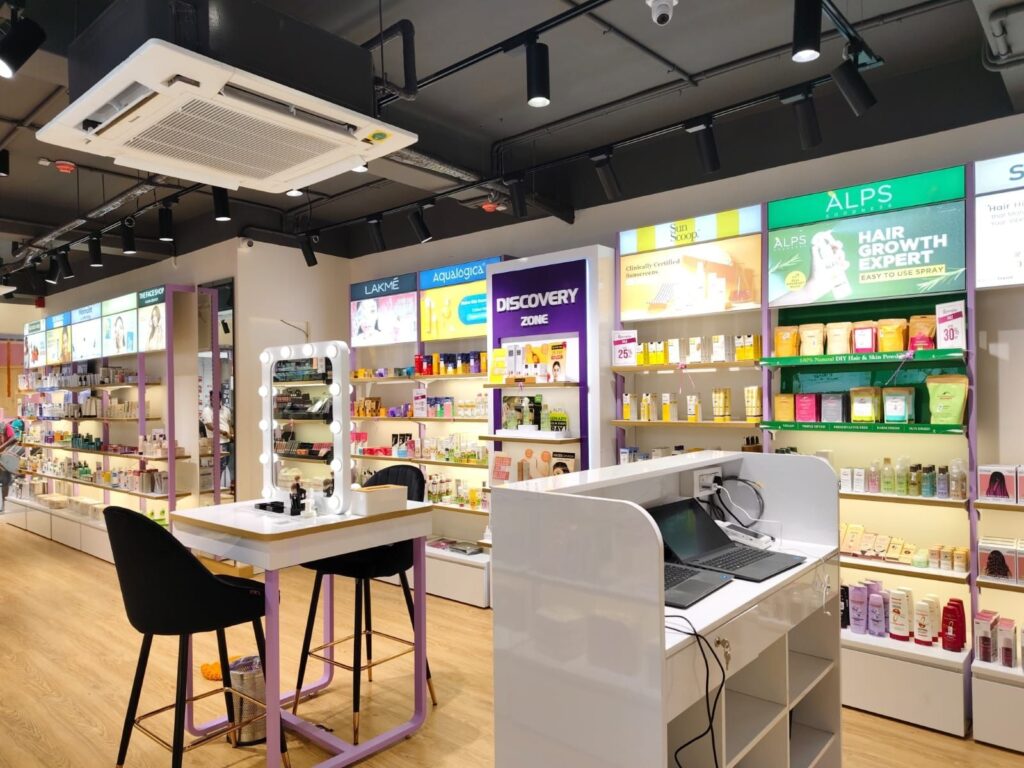
Retail furniture is more than functional—it helps create an immersive shopping experience that reflects the store’s brand and values. On-brand display tables, comfortable seating, and stylish footwear stools all contribute to a relaxed and welcoming setting that invites customers to explore. For example, seating arrangements encourage shoppers to rest and take their time, increasing the likelihood of purchases.
Guiding Customer Flow and Product Interaction
Furniture such as carefully placed shelves, counters, display plinths, and mannequins guide customers naturally through the store. This flow design makes browsing intuitive and highlights key merchandise. Comfortable and strategically positioned furniture fosters customer curiosity and product interaction, enhancing the overall shopping journey.
Reflecting Brand Identity and Style
Furniture contributes significantly to how customers perceive your brand. Custom or bespoke furniture that complements your brand’s aesthetic reinforces your store’s image. Unique items like vintage sewing machines for industrial-style stores or minimalist sleek tables for modern brands help make a distinct impression that draws customers in and creates loyalty.
Creating Functional and Flexible Spaces
Modern retail furniture solutions are designed for flexibility and adaptability. Modular furniture systems enable retailers to adjust layouts seasonally or as product lines change, maintaining a fresh look without high reinvestment. Flexibility in furniture also means better utilization of space, balancing comfort and capacity seamlessly.
Practical Considerations: Comfort, Safety, and Visibility
Comfortable seating and thoughtfully designed display areas encourage customers to spend more time in-store, which can boost sales. Additionally, furniture that maintains clear sightlines and accessibility respects customer convenience and safety, improving their overall impression and satisfaction. In summary, retail furniture is a critical element of store design that builds atmosphere, supports brand storytelling, and promotes customer engagement. Investing in the right furniture creates a welcoming environment where customers feel valued and inspired to purchase, making it a fundamental part of retail success.