

In 2025, commercial spaces are no longer just functional—they are designed to create brand-driven experiences. From offices to retail showrooms and restaurants, every detail matters. The latest trends highlight a smart mix of modern furniture, technology, and branding, making spaces both stylish and meaningful.
1. Branded Environments with Modern Furniture
Commercial interiors are becoming an extension of a company’s identity. Custom-designed furniture now comes with finishes that match official brand colors using Pantone standards, while laser-engraved logos and patterns add subtle brand touches. Materials like engineered wood and powder-coated steel not only last long but also create a premium look.
This approach ensures that the moment someone enters the space, they feel the company’s personality all around them.
2. Flexible & Multi-Functional Layouts
Businesses today want spaces that adapt quickly. Lightweight aluminum frames, smart caster wheels, and modular partitions make it easy to reconfigure layouts without heavy renovations. Moveable partitions often come with acoustic panels that reduce noise while still allowing flexibility.
This helps save costs, supports hybrid work styles, and keeps commercial interiors future-ready.

3. Sustainability as a Core Trend
Eco-conscious design is no longer optional—it’s expected. Many businesses now use FSC-certified wood, recycled fabrics, and low-VOC paints to reduce environmental impact. Energy-efficient LED lights with a daylight tone of around 5000K are replacing old fixtures, while smart HVAC systems automatically control temperature to save electricity.
The result is a space that not only looks modern but also reduces bills and supports a green brand image.
4. Technology-Infused Design
Smart interiors are now mainstream. Height-adjustable desks with built-in actuators improve comfort, IoT-enabled lighting adjusts brightness automatically, and LED video walls with fine pixel pitch are used to display brand stories.
These features not only make the space more futuristic but also increase engagement, productivity, and customer interaction.
5. Bold Colors & Textures with a Purpose
Colors and textures are carefully chosen to match brand stories and influence emotions. Many designers use acoustic fabrics for chairs and walls, which look stylish while reducing echo. 3D wall panels made from gypsum or acoustic foam add depth, while layered lighting—ambient, task, and accent—creates the perfect mood for each zone.
Customers and employees feel more energized, calm, or inspired depending on the chosen design.
6. The Human-Centered Approach
Design in 2025 is about people first. Biophilic design—bringing in plants, green walls, and natural textures—creates healthier environments. Ergonomic chairs with lumbar support and standard desk heights reduce fatigue, while circadian rhythm lighting systems mimic natural daylight, reducing eye strain and boosting productivity.
This makes commercial spaces not only beautiful but also comfortable and wellness-oriented.
Case Example
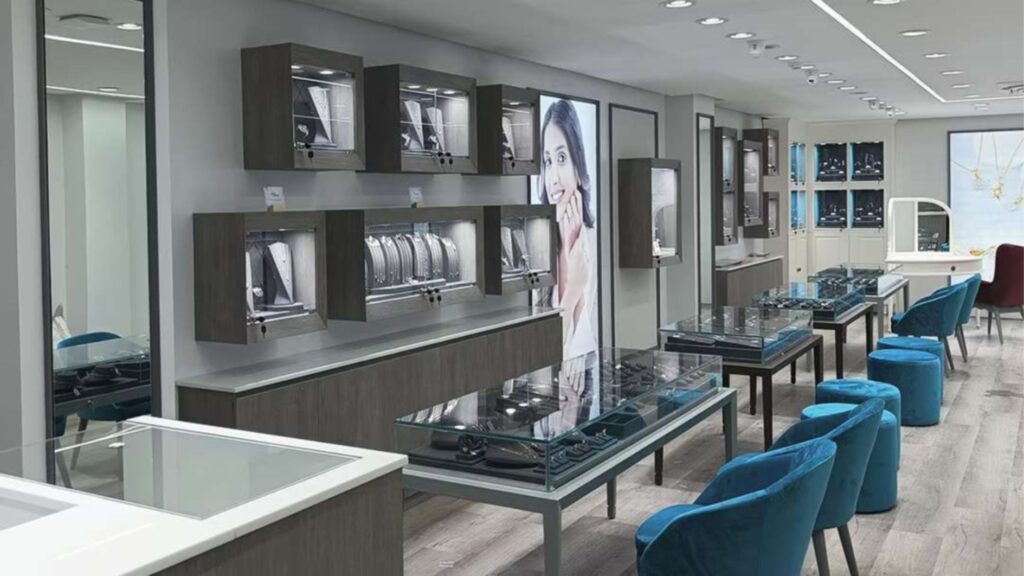
In a recent retail project, we designed a showroom using FSC-certified wood furniture with matte finishes and integrated LED shelving. This reduced energy use by 25% while highlighting products in a way that matched the brand’s premium image. Customers described the space as “inviting” and “modern,” proving how design directly impacts perception.
Bringing It All Together
The commercial interiors of 2025 are flexible, sustainable, tech-driven, and people-focused. By blending modern furniture with branding and innovation, businesses can create environments that look stylish, perform better, and leave lasting impressions
Conclusion & Call to Action
Commercial interior design is no longer just about furniture placement. It’s about telling a brand’s story while improving functionality and wellness. With the right design approach, your space can inspire employees and attract customers.
Looking to redesign your commercial space? Our team brings together modern design, technical expertise, and branding knowledge to create environments that truly stand out. Contact us today to get started.
Frequently Asked Questions
Earthy shades like terracotta and clay are making a comeback, often paired with bold accents such as mustard, teal, and emerald green.
When furniture aligns with brand colors, textures, and design philosophy, it reinforces recognition and builds trust with customers.
FSC-certified wood, bamboo, recycled PET fabrics, and low-VOC paints are popular choices because they’re durable, eco-friendly, and safe.
Biophilic design uses plants, natural light, and organic materials to bring nature indoors. It improves wellness and makes spaces more welcoming.